How Much Do You Really Know About Bali Property Investment?
Every week, we speak to investors, including many from Singapore, Hong Kong, and Australia, who are watching Bali's property market with genuine interest, yet doing nothing about it.
Not because the numbers don't make sense. Not because they haven't done their research. But because there are a handful of questions sitting at the back of their mind that nobody has given them a straight answer to yet.
Questions like: can I actually own this? What happens to my returns when the rupiah moves? And if I ever want to get out, is there even a market to sell into?
These are not irrational concerns. They are exactly the right questions to be asking. And the fact that most Bali property conversations avoid them directly is, frankly, part of the problem.
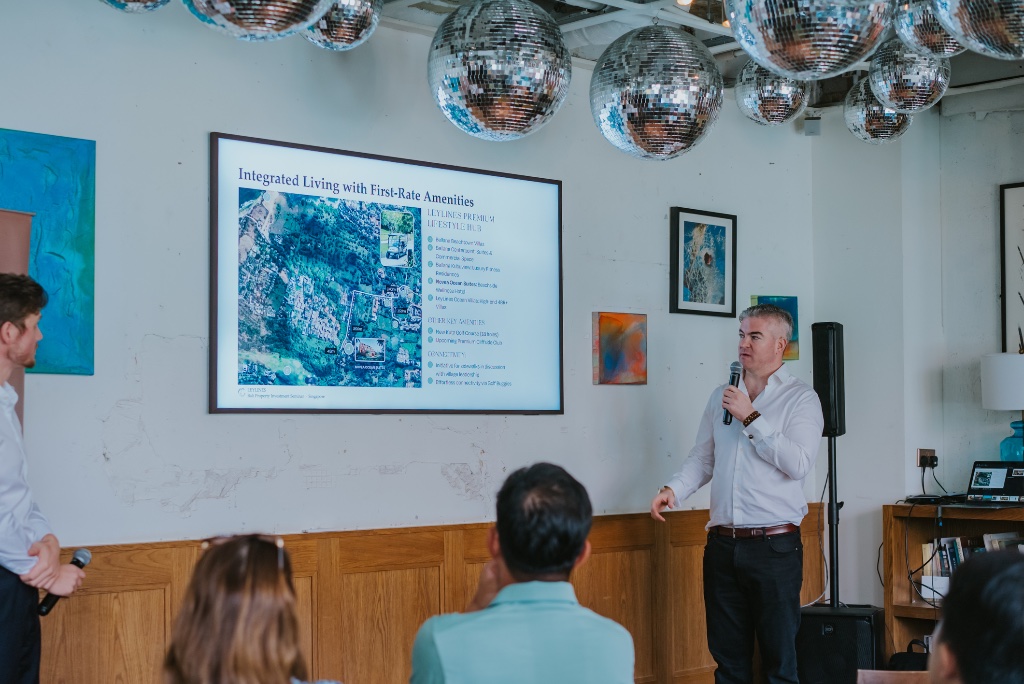
We recently hosted a closed webinar for Singapore-based investors where we put these questions on the table and worked through them one by one. No slides full of projected yields. No glossy renders. Just the actual mechanics of how Bali property investment works, where the real risks sit, and what the data says about the opportunity right now.
What we covered
We walked through ownership structures in detail, the difference between leasehold and freehold, what percentage of investment-grade property in Bali actually falls into each category, and what that means practically for someone based in Singapore. We covered taxes, what you pay, when you pay it, and how repatriation of returns actually works. We talked about currency exposure and why most serious operators structure net returns in USD. And we addressed liquidity directly, because it is the question nobody wants to ask out loud: if you needed to sell, could you?
We also spent time on the market itself. Bali is currently the number one destination on TripAdvisor globally. The traveller profile has shifted materially over the past decade, from the early lifestyle and wedding market that built the island's reputation, to a new wave of commercial activity, remote workers, digital professionals, and long-stay visitors who are using Bali the way previous generations used business hubs. That shift has consequences for which property types perform, which locations are still undervalued, and why the window for certain investments is shorter than it looks.
If you want a sense of what that means in practice: in 2015, Bingin was a quiet surf break with a handful of villas. By 2025, it was fully developed. Land prices increased tenfold in a decade. The areas that look like Bingin looked in 2015 still exist. They are just elsewhere on the island.
We closed the session with an open Q and A where investors asked about property tax, how foreign ownership structures work in practice, and which villa configurations have historically performed best.
The questions we kept coming back to
What surprised us most about the session was not the complexity of the questions. It was how consistent they were. Investors sitting in Singapore, Hong Kong, and Australia, looking at the same market, were all circling the same hesitations. Ownership. Tax. Liquidity. Currency. Timing.
The hesitation is not the problem. The lack of clear answers has been.
Get the recording
We are making the full webinar recording available to a limited number of people who want to go through the material in their own time. If the questions above are ones you have been sitting with, this is probably the most direct way to get them answered.
Interested in learning more about investment opportunities in Bali?
EXPLORE OPPORTUNITIES